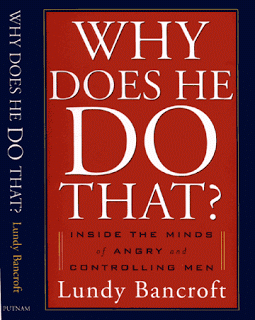
Cannot recommend WDHDT highly enough. I’ve found it helpful not just for romantic relationships, but also for growing up w a “unexplainable/uncontrollable” dad.
IT HAS ALSO BEEN REALLY HELPFUL FOR UNDERSTANDING ONLINE MOB HARASSMENT.
So if you’ve ever been bombarded w threats to be raped/killed, (so…if you’re a minority and you’ve been on the Internet for a while), this book might be useful for getting clarity around the whole entitled, abusive mindset that drives certain kinds of people to behave that way. And by “getting clarity”, I mean (for me) being able to go “oh, that’s what’s happening” and not really feel scared anymore. Or angry, or drawn out into it, or anything.
And if you’re still standing around going “but how does something like GamerGate happen?” or “but why do men hit their wives?” or whatever – please read that book and learn something.
^^^^ truth WDHDT is fantastic at cutting down MRA bullshit and calling it what it really is
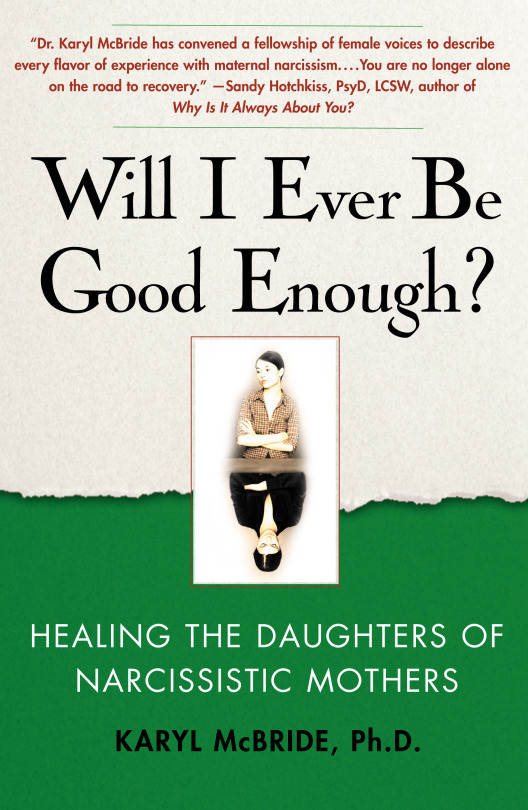
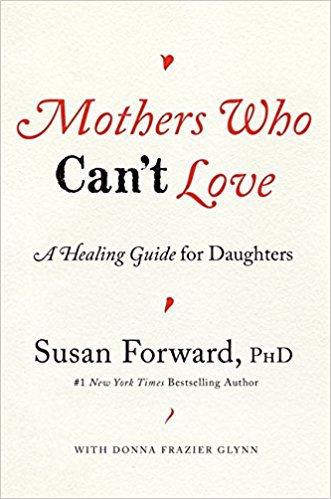
Please consider reading these. WDHDT is really, really helpful. And I know some of you are struggling with abusive relationships, friendships, families, etc. You’re not alone. There is help.
Yo. This family holiday, please, please take care of yourself. You aren’t there to be anybody else’s cushion.
Adult Children of Emotionally Immature Parents: How to Heal from Distant, Rejecting, or Self-Involved Parents
Reading any of these books does not mean you don’t love your parents or family. It’s just self care for helping you cope and not repeat the behaviors.
All the books in this thread are great; adding this one because it was the most helpful to me. Free pdf here
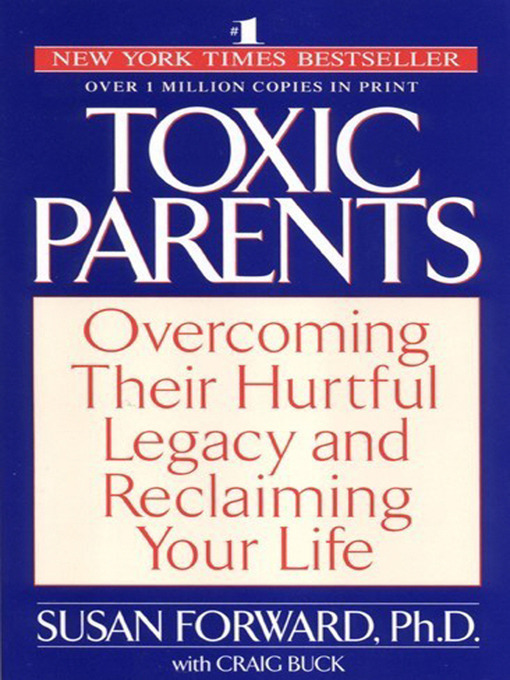
toxic parents is the book i checked out from the library last january that REALLY SINCERELY helped kickstart my road to recovery. even if you are not a victim of abuse, they are invaluable reasources, but help pass them around so people who have been abused can have access to material that actually, genuinely, sees them and provides them with concrete help
I’m reading this queer anthology and the first story is a fairytale about a queer Latina girl whose anger was so fierce it literally poisoned the rich white men who unfairly captured the transgender soldier she was in love with and my heart is literally bursting I’m going to cry
the second story is about two queer girls who leave their husbands-to-be at the altar and flee together on a boat to become pirates IM FUCKING SCREAMING THIS IS EXACTLY THE KIND OF GAY CONTENT I SIGNED UP FOR
okay this is the anthology and it’s entirely written by queer authors and inspired by the stories of real queer teens in history and it’s the most wholesome and epic thing I’ve read in a long while
tiny brain: fairy tales i.e. beauty and the beast, snow white, and cinderella are romantic
slightly bigger brain: fairy tales are sexist as fuck #WhatPrincessesTaughtMe
slightly slightly bigger brain: actually fairy tales are empowering for example cinderella is about a woman escaping her abusive home situation and beauty and the beast is about love between social outcasts
large brain: most of these stories are old as shit and reflect the gender roles of the time of their conception but whether or not they are intolerably sexist depends very much on the execution and interpretation of the critical plot points by the adaptation and you can’t paint every adaptation with the same brush
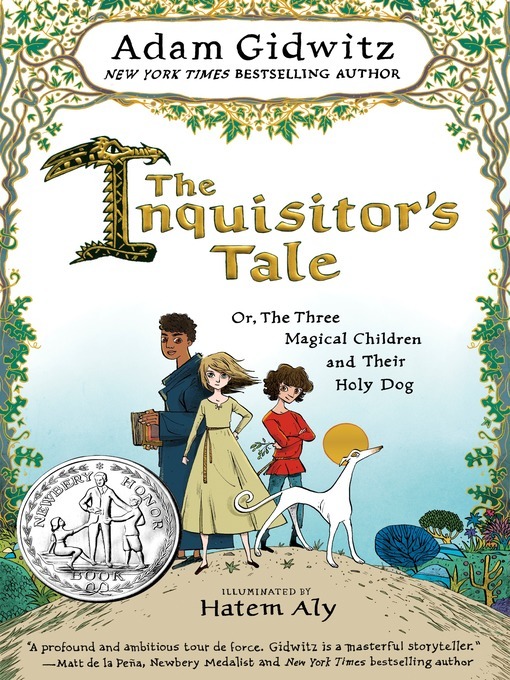
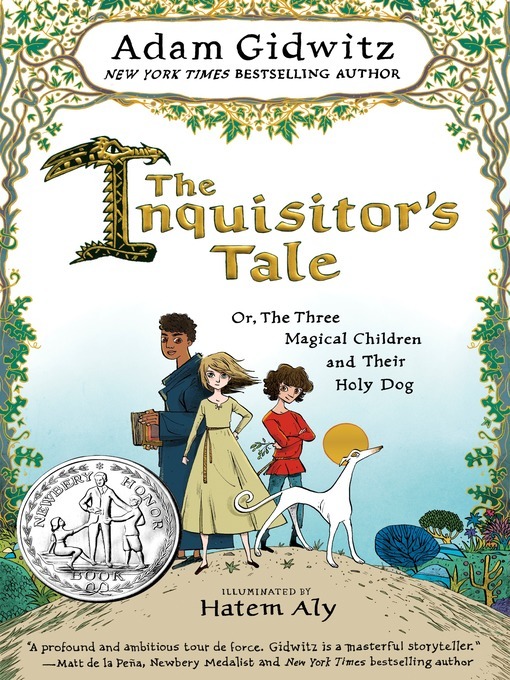
1242. On a dark night, travelers from across France cross paths at an
inn and begin to tell stories of three children. Their adventures take
them on a chase through France: they are taken captive by knights, sit
alongside a king, and save the land from a farting dragon. On the run to
escape prejudice and persecution and save precious and holy texts from
being burned, their quest drives them forward to a final showdown at
Mont Saint-Michel, where all will come to question if these children can
perform the miracles of saints.
Join William, an oblate on a
mission from his monastery; Jacob, a Jewish boy who has fled his burning
village; and Jeanne, a peasant girl who hides her prophetic visions.
They are accompanied by Jeanne’s loyal greyhound, Gwenforte …
recently brought back from the dead. Told in multiple voices, in a style
reminiscent of The Canterbury Tales, our narrator collects their stories and the saga of these three unlikely allies begins to come together.
tfw you can’t get a concept through to your class and end up drawing “function machines” on the whiteboard
“this is a function machine. you can tell it’s a machine because it has smoke coming out of it, see. you put your t in this box, and it whirs and chugs and then a t and a six come out…”
if it works for three-year-olds, it should work for undergrads, right
it’s this bizarre but charming series of picture books teaching advanced math concepts. yes, picture books; as in intended for early readers, or to be read to children who can’t yet read
(they are, incidentally, charmingly illustrated and a visual delight)
here we see our friends Kris and Kross playing with their function machine! sorry, “magic machine,” the book doesn’t use the word “function,” being intended for small children.
as you can see, this here is the “double a thing” machine. (the book doesn’t name it; the book just shows you the pictures and invites you to name the machine and think about how it behaves.) it even covers inverses, as Kris and Kross try putting things in the other end of the machine (and discover that the “turn all objects into gray blobs” machine won’t let them put things in the other end…)
these are great to read over and over with small children, because they get a bit more of it each time. the first time they just like imagining their own magic machines (“the turn-things-sparkly machine!”); by the last time they can figure out for themselves why the other end of the blobbifying machine is locked. (and then your preschooler understands why only injective functions are invertible!)
don’t forget to also pick up “anno’s hat tricks”…
…for those who want their small child to understand that one puzzle about the island where no one is allowed to know their eyes are blue.
seriously, these things are amazing. cannot recommend highly enough.
The Dyke and the Dybbuk by Ellen Galford (my review) – out of print but award winning and easy to find through interlibrary loan, this one’s a madcap comedy about a Jewish lesbian in the UK who, thanks to an old family curse, gets possessed by a demon (also a lesbian.) Since she’s already pretty avant-garde in her behavior, the demon decides she can’t make her act more zany, so instead she gives her a walloping crush on, of all people, an Orthodox woman.
The Rest of Us Just Live Here by Patrick Ness is a gentle, affectionate parody of paranormal YA and the main character’s best friend is Jewish, gay, and a cat god. (My review)
To Summon Nightmares by JK Pendragon (my review) stars a bi, Jewish trans guy living in Ireland who must confront his new (cis) boyfriend’s demon-summoning past.
“Three Partitions” by Bogi Takács – nonbinary sci-fi set in an Orthodox space colony, by a nonbinary author. Somewhat of a deconstruction of gendering in Orthodox communities by exploring how a nonbinary alien species fits into that gendered space. Short and online free.
“Seven Commentaries on an Imperfect Land” by Ruthanna Emrys – positions the Jewish diaspora as a portal fantasy. Includes f/f and solidarity with Muslims. Short and online free.
Riley Marigold and the Winged Lizards of Tel Aviv by Kayla Bashe @kayla-bird – f/f YA about kids trying to save genetically engineered lizard-dragons an animal shelter says it can’t afford to keep any longer Short and online free, including in audio.
Hearts Alight by Elliot Cooper is m/m Chanukah romance novella. What do you do when you find out the sexy older man you’ve been crushing on is actually a golem? Written by a trans guy and has a trans guy supporting character, too.
Maybe some day we’ll get “Medic to the Hivemind” back once @kayla-bird finds a new publisher for it – that one has a Jewish lesbian astronaut who falls for the mysterious woman who talks her through trauma over the radio. I’ll be sure to let everyone know!
Speaking for Ourselves: Short Stories by Jewish Lesbians has one speculative piece:
“The Woman who Lied” by Jano, which is adorably wtf. Two Jewish women are in bed when one, doing that thing I’m sure we’ve all done at some point, reacts positively to being touched in a way that actually just leaves her neutral, because she wants the other woman to feel good. Her lie causes her boobs to temporarily turn into bagels and challah because a dybbuk has a very strange sense of humor. Everything works out in the end so it’s basically a happy little fable about being sexually honest.
Incidentally there is an important Jewish side character in The Mystic Marriage by Heather Rose Jones, which is about 19th century lesbians creating magic rocks, but as far as we know she herself is straight.
In case this post gets reblogged beyond people who have heard of me, here’s the link to my books, fluffy Jewish high fantasy with a mostly LGBTQA+ cast.
When I run into more, I’ll reblog this post again and add things.
PLEASE DO NOT THROW THE YA GENRE UNDER THE BUS it is filled with diversity that goes far beyond whatever makes it to the movies! Please give it a chance!
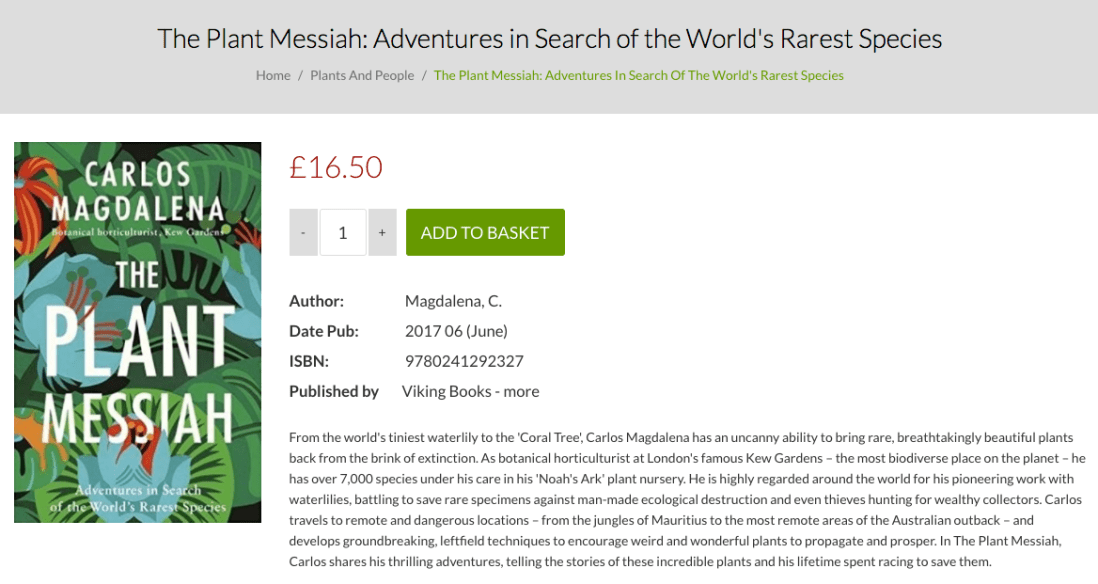
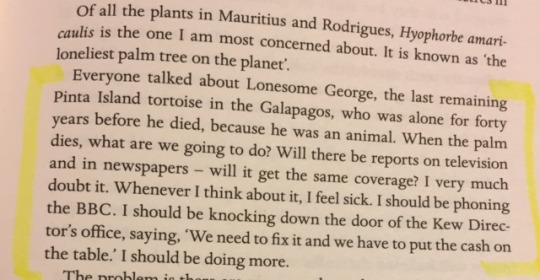
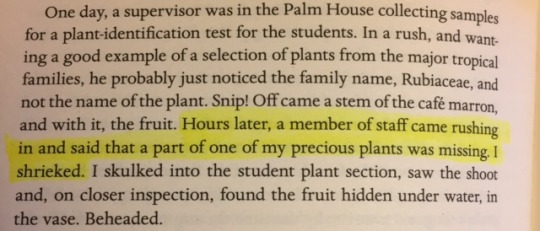
SOMEONE INFORM ME EXACTLY HOW I MISSED THAT THE BADASS KEW PLANT GOD PUBLISHED A BOOK ABOUT HIS BADASS PLANT ADVENTURES???????????????????????????????????????????????????????????????????????????????????????????????????????????????????
i ordered it bc i have no self control
update: this shipped out today but it’ll take 8-12 days to get here and im dying. carlos magdalena why must u do this to me
okay so i got this book today and spent like 6 hours reading it and im almost done but i really wanna talk about this plant nerd and his many endangered plonts that he loves and protects with all his heart and soul
carlos magdalena, kew botanical horticulturalist, is honestly an unproblematic fave
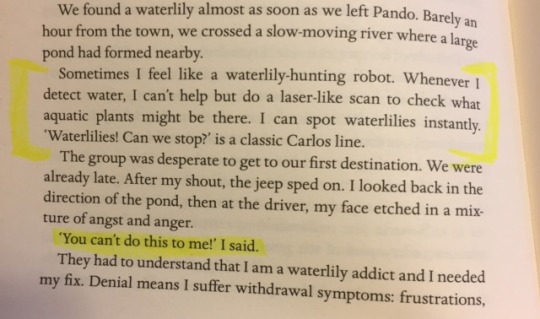
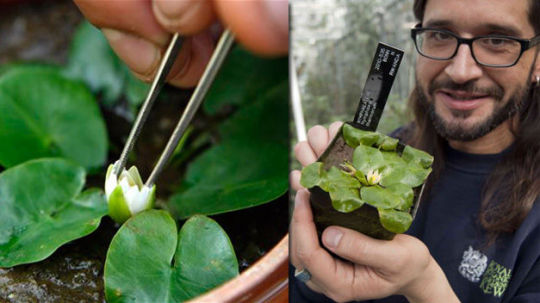
also btw heres some pics of carlos with the smallest water lily in the world, which he saved from extinction. he talks in the book about how he learned later on that at the time he finally figured out how to propagate this species in cultivation, rats had broken in and killed the only other specimens in the world at the german conservatory they were being kept at, and the habitat where the 1 or 2 wild plants had been living had been destroyed for a concrete company. he had been working with the last seeds in literal existence without knowing it (he had assumed they were still alive) and the other scientists and botanical horticulturalists in germany had been living in grief over having lost this plant to apparent extinction. he originally had 200 seeds recruited for trying to cultivate the species, and by the time he realized how to do cultivate it, he had been working with the last 5 seeds in the world. he didn’t know at the time. (x)
holy hell.
he definitely deserves the nickname plant messiah for that.
1242. On a dark night, travelers from across France cross paths at an
inn and begin to tell stories of three children. Their adventures take
them on a chase through France: they are taken captive by knights, sit
alongside a king, and save the land from a farting dragon. On the run to
escape prejudice and persecution and save precious and holy texts from
being burned, their quest drives them forward to a final showdown at
Mont Saint-Michel, where all will come to question if these children can
perform the miracles of saints.
Join William, an oblate on a
mission from his monastery; Jacob, a Jewish boy who has fled his burning
village; and Jeanne, a peasant girl who hides her prophetic visions.
They are accompanied by Jeanne’s loyal greyhound, Gwenforte …
recently brought back from the dead. Told in multiple voices, in a style
reminiscent of The Canterbury Tales, our narrator collects their stories and the saga of these three unlikely allies begins to come together.
There’s something definitely… ironic… when a bunch of fanfic authors sit around and laugh about how “trashy” and “shitty” historical romance novels are.
Like honestly, this is part of why I haven’t written more of any of my historical AUs: if you’re gonna laugh about it and talk about how ridiculous and lulzy the genre is, I do nooot want to crank out more for you to be snidely ironic about.
If I’m writing something, it’s because I believe in it. Even if I know it’s cracktastic and not up to high artistic standards–I’m doing it because I believe that spontaneity and play are important in creative communities. But it knocks me down every time someone acts like the stuff I make is worthy of contempt or mockery.
I have some thoughts about this! Because before I got into fanfic back in, like, March of this year, I had spent the previous six months getting heavily into historical romance and following a number of the current big names in historical romance on Twitter. And let me tell you, those authors? They know their shit. There is no discrete genre that takes its craft *and* its publicity as seriously as romance. I was a witness to the shit show that was the controversy about the SFWA newsletter, and let me tell you, when the dust cleared and people started actually trying to be constructive in their thoughts about how to create a real professional publication? They pointed to the Romance Writers of America, because their newsletter treats all its subscribers like the professionals they are.
And the historical romance writers? They are even more amazing to me, because they do so much incredibly detailed research. Even if their book ends up being a fun, rompy, very-nearly-AU, you better believe they know their historical facts. Do you know another genre where the authors regularly teach themselves to sew and wear accurate period clothing so they can describe ball scenes correctly?
Anyway… I feel like I’ve picked up a huge amount about the craft of writing from both the fanfic and romance writing communities, both of which are generally dismissed for containing sex and feels, so instead of writing each other off, let’s band together! In that spirit, if people would like to read some kickass historical fiction, allow me to recommend some authors:
Tessa Dare: Her Spindle Cove series features a small English coastal village functioning as a haven for
women in need of refuge, whether it be due to scandal or spinsterhood or
poor health or any other oddity, such as excessive independence of
spirit. However, I think my favorite book of Dare’s so far may actually be the latest one in her Castles Ever After series, When a Scot Ties the Knot,
(which can be read as a stand-alone,) because it features a young woman
who establishes a career as a scientific illustrator after avoiding
marriage by faking engagement to a soldier she made up… except all those
letters she sent off into the void to sell the story to her parents
actually went somewhere. So adorable! So hilarious! There’s even a
romantic sub-plot featuring lobsters.
Eloisa James: This particular author is, for her day job, a Shakespeare professor, so you best believe she understands research. Her books are… amazing. Her Desperate Duchesses series is set in the Georgian period (ie, when Hamilton is going on across the sea), and if you long for some men with equally ridiculous fashion sense as the women, look no further. But that’s just a side note; the thing that really makes her books stand out (to me, anyway) is how well she can write unhappy married couples realistically overcoming miscommunications, sometimes years in the making, to fall in love with each other, either for the first time or all over again. Furthermore, in her Fairy Tale retellings series, she doesn’t romanticize what it’s like for virgins with no sex ed to try to navigate their way through things. (Seriously, read Once Up a Tower, it will change your whole conception of romance novels.)
Courtney Milan: Read her Regency-era Brothers Sinister series. The whole thing. The female characters in these books! They are the best! And the male
characters, too, yes, they’re good. But the women all have such
amazingly interesting lives and stories! There’s a chess champion, an
intentionally socially off-putting heiress, a female biologist (and the
man who presents her work to the public), and a suffragette newspaper
editor. Plus the ebook “box-set” comes with all the side-character novellas already
interleaved. And each book has historical notes at the end, which I found fascinating. I love the balance Milan creates between witty character banter and their attempts to address serious societal issues of the times. (She’s also started a modern series about a not!Apple tech company that I am eagerly anticipating the next installment of. Interracial couples! Trans characters! Trading places plot devices!)
Sarah MacLean: I was instructed to start with Nine Rules to Break When Romancing a Rake,
which I did, and oh, the wonderful hijinks that ensued! As if the title
wasn’t a clue. These are again Regency romances with intelligent,
dissatisfied women who decide to take their lives into their own hands. The Love by the Numbers series then leads into the Rules of Scoundrels series, and while each book tells its own romance, you’ll pick up so much more background gossip between the characters and amazingly delicate and interwoven worldbuilding if you read everything in order.
Mary Robinette Kowal: Not actually usually shelved in the romance section, since what Kowal writes are historically-based fantasy novels, but her attention to detail is impeccable. She’s the one who taught herself to make Regency gowns and does all her readings in period costume, down to the shoes and undergarments. She built a custom spellchecker to flag any word not actually used by Jane Austen for her first series, which started as pastiche but quickly gained its own momentum. The worldbuilding is meticulous; everything is period-correct Austen/Regency, until it’s not, because she created a magic system that works with the time and culture, but also changed the time and culture just by existing. She thought about everything. Her new series is set in WWI, and looks at how the war might have been different if spiritualism had been true, ie, what if there had been a corps of women receiving battlefield reports from recently deceased soldiers? I just finished this one, and the level of detail is true #authorgoals.
Meljean Brook: These are actually steampunk romances (rather than true historicals) with an amazing amount of alt history
worldbuilding, but the impression that stuck with me after reading them
was that Brook was putting on an absolute master class in how to do
character-driven plot. Nothing in these books is gratuitous. No detail
of the world is ever revealed unless a character has a reason to be
thinking about it, no interaction the two people involved in the romance
has is done simply for the sake of drama. The people are the story–and they just happen to also be police detectives and sky pirates and treasure hunters. Brook has also clearly put a lot of thought into the various power
structures of her world, and while the books can be viewed through the
lens of romping adventures on airships, she is also addressing serious
themes such as the aftermath of slavery and colonialism, racism,
ableism, and attitudes towards homosexuality.
I could go on, but I’m going to stop here. I have a lot to say about books, clearly.
I also love Alexis Harrington, who writes detailed, wonderful, thoughtful books set in places like Oregon, Washington, and Alaska in the late 19th and early 20th century, and Joanna Bourne, whose series on British spies in Revolutionary and Napoleonic France is absolutely amazing.
All of this, and more. Every trope you love in fanfic? You can find it in romance novels. And I mean that in a completely non-lolzy way – it’s *fantastic*.
But more importantly: The idea that romance is some kind of lesser art than other genres should sound really familiar, guys.



 Kimchi and Justice